Wayfinding systems: why big brands invest in customer navigation
Wayfinding system: what it is, when your business needs one and why big brands invest in it. A guide for premises, buildings and sites of all sizes.
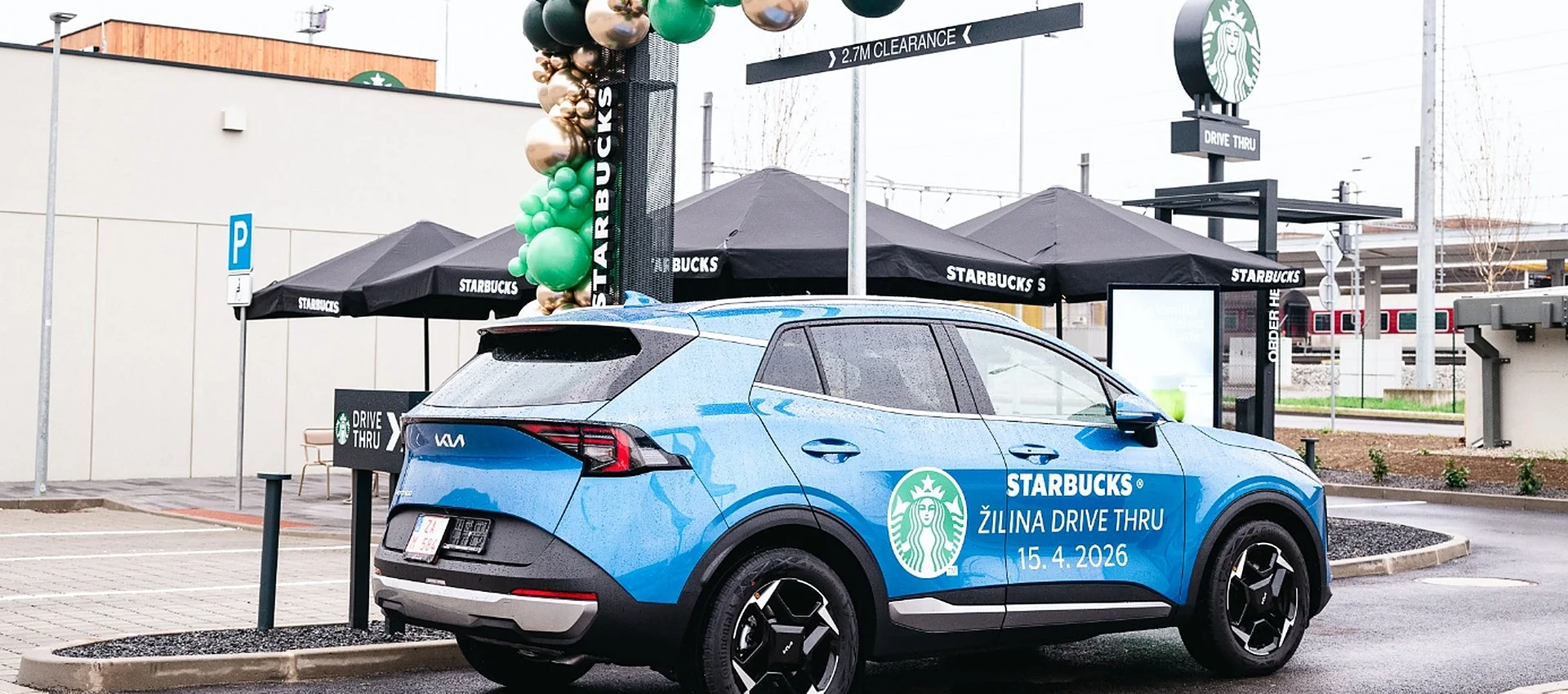
A customer who does not know where to go leaves. Wayfinding solves that. It is a complete set of orientation and navigation elements that guides the customer from arrival all the way to their destination. For large companies it is standard. For smaller businesses it is still an underrated opportunity.
What does a wayfinding system include?
Wayfinding is not just a sign on a door. It includes:
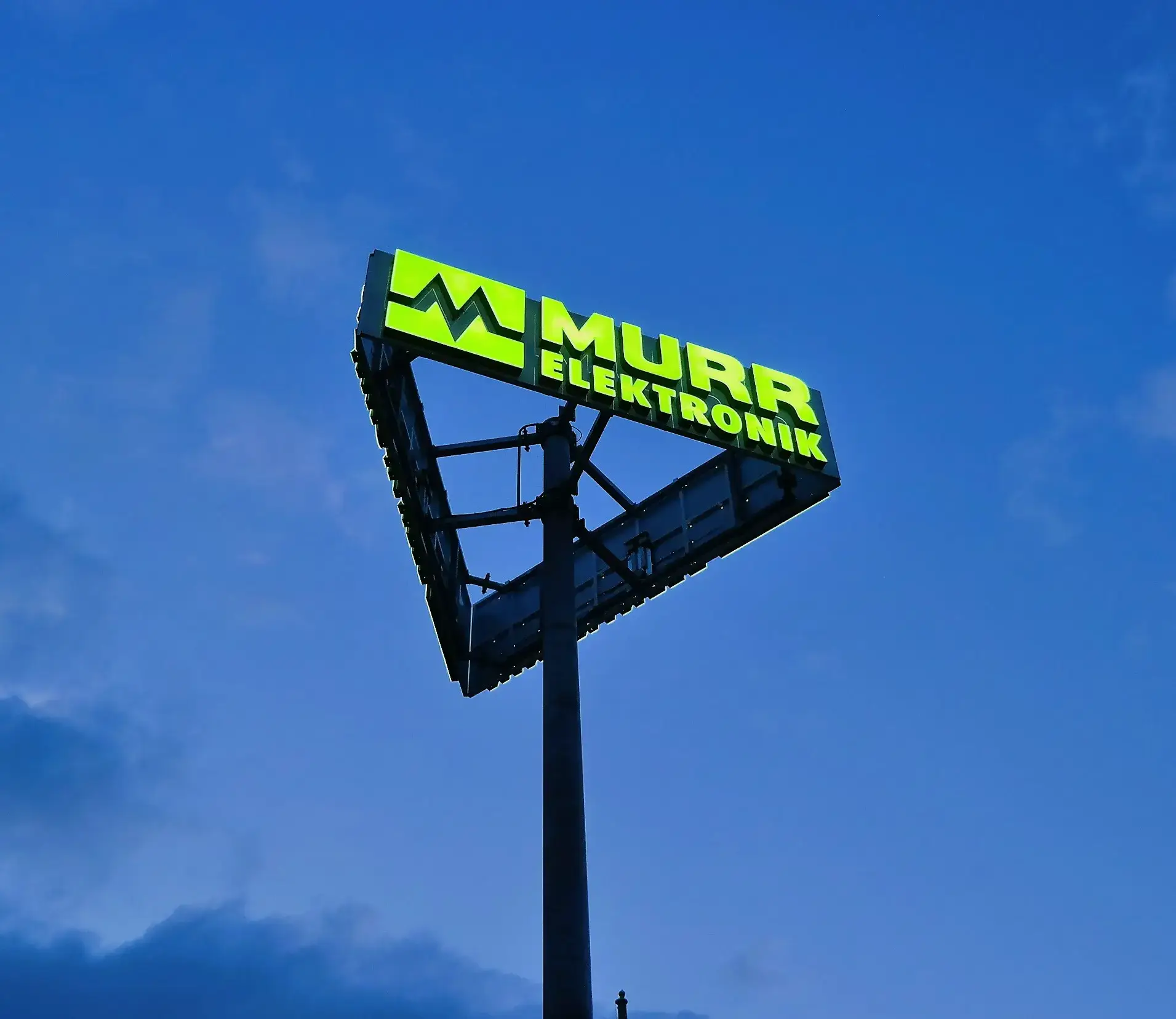
- Outdoor navigation elements: signage for car parks, access roads and entrances
- Entrance portals and information boards: overview of the building, floors and sections
- Directional signs: in corridors, at junctions, by the lifts
- Signage for specific spaces: offices, meeting rooms, toilet facilities
- Emergency and safety elements: escape routes, evacuation plans
The whole system shares one visual language: colours, typefaces, iconography. It is based on the corporate brand.
Where does wayfinding work best?
Shopping centres and retail
Customers have limited patience. If they cannot find what they are looking for, they go to a competitor.
Hospitals and healthcare facilities
Getting lost in a hospital is an extra burden. People are already under stress. Clear navigation directly affects satisfaction with care, and this is measurable in patient feedback.
Office buildings and campuses
A client who gets lost on the way to a meeting arrives in a worse mood. Professional navigation is part of the first impression.
Industrial sites
Safety, efficient movement, signage for operations. On sites with a larger number of buildings, wayfinding is also a matter of occupational safety.
Why do big brands take such care over it?
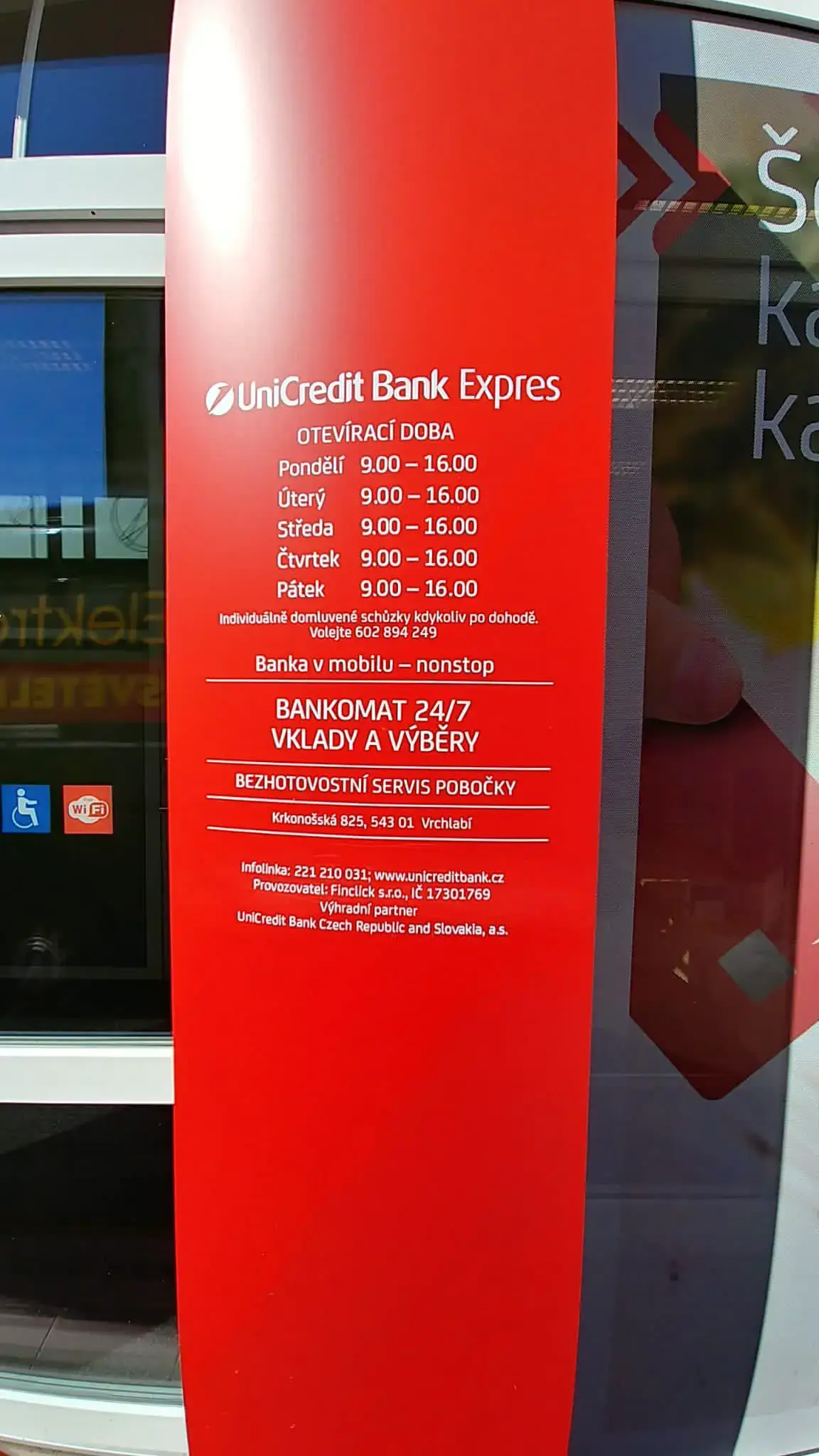
ČSOB, UniCredit and major retail chains have their wayfinding laid down in standards that every branch must meet. The reason is simple: a consistent customer experience increases satisfaction and reduces the workload on staff. Fewer questions at reception. Better reviews. More efficient operations.
How do you get started?
A good wayfinding project starts with an analysis of how customers move: where they come from, where they are heading, and where they get lost or hesitate. Next comes the design of a hierarchy of elements: what the customer sees first, what second, and what is supplementary. The result is a system that scales. A new branch gets the same standard without having to start from scratch.
[banner:wayfinding-maly]
You might also like:


Základní fotogalerie